$99 New Patient Special - Includes Exam and X-Rays.
How Dental Sealants Help Protect Teeth from Cavities
By Dentist At Plum Creek Kyle
Cavities remain one of the most common dental problems affecting children and teenagers. Even with regular brushing and flossing, certain areas of the teeth can still be difficult to clean. The chewing surfaces of molars contain deep grooves and tiny pits that easily trap food particles and bacteria. Over time, these areas become vulnerable to decay if they are not protected properly.
Fortunately, modern preventive dentistry offers effective solutions to reduce this risk. One widely recommended option is the use of dental sealants, a protective treatment designed to shield the chewing surfaces of back teeth.
Tooth decay may be common, but it is largely preventable when early protective steps are taken. Molars are especially prone to cavities because of their complex surface structure. Applying dental sealants provides an additional protective barrier that helps guard these teeth against bacteria and plaque. In this article, we will explain how sealants work, who benefits most from them, and why they play an important role in protecting long-term oral health.
What Are Dental Sealants?
Many people assume that brushing and flossing alone are enough to protect their teeth. While daily oral hygiene is essential, the natural anatomy of molars can make them harder to clean effectively. The chewing surfaces of back teeth contain narrow grooves where food particles and bacteria can easily accumulate. These grooves are often too small for toothbrush bristles to reach.
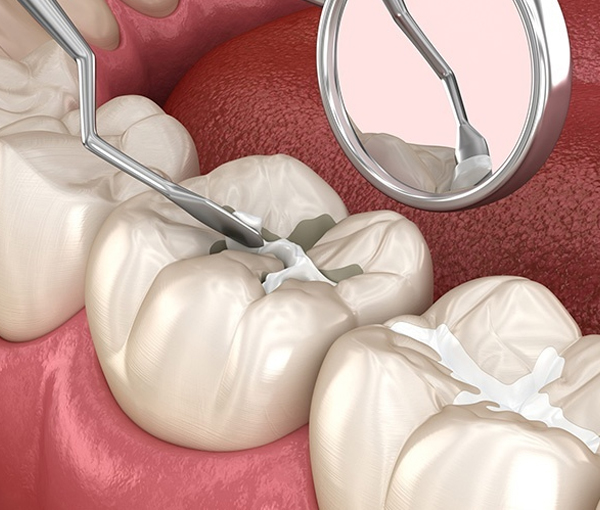
Dental sealants are thin, protective coatings placed on the chewing surfaces of molars to help shield these vulnerable areas. The material is typically made from a durable dental resin that bonds to the tooth surface and forms a protective barrier. Once applied, the coating fills the deep grooves in the enamel, creating a smoother surface that is easier to keep clean.
This protective layer acts like a shield against bacteria and food debris. By sealing off the grooves where decay often begins, it reduces the chance that harmful bacteria will settle into those areas. The treatment does not change the appearance or function of the tooth but provides added protection during years when cavities are most likely to develop.
Preventive treatments like dental sealants in Kyle are especially valuable for families who want to avoid more complex dental procedures later in life. In growing communities like Kyle, where many families enjoy busy routines with school, sports, and local events, preventive dental care helps ensure that children maintain strong, healthy smiles without frequent dental problems.
Video source: ICE Health Systems YouTube Channel
Why Molars Are More Prone to Cavities
Back teeth are responsible for grinding and chewing food, which means they naturally have more complex surfaces than front teeth. Molars contain deep pits and grooves that help break down food effectively. While these grooves are useful for chewing, they also create ideal hiding places for food particles and bacteria.
When sugary foods or starches remain trapped in these grooves, bacteria begin to feed on them. As bacteria digest sugars, they produce acids that gradually weaken the enamel. Over time, this process can lead to the formation of cavities.
One challenge with molars is that toothbrush bristles cannot always reach into these narrow grooves. Even people who brush carefully may miss these tiny spaces. Children and teenagers, who are still developing consistent oral hygiene habits, may be even more vulnerable to decay in these areas.
Another factor is the timing of molar development. Permanent molars often erupt around the ages of six and twelve. These years are critical for dental health because the teeth are new, and the enamel is still maturing. During this stage, protecting these teeth becomes especially important.
Families in Kyle often lead active lifestyles, from attending community gatherings to enjoying time outdoors at places like Plum Creek Park. With busy school schedules and extracurricular activities, preventive dental care helps ensure that children stay healthy and avoid interruptions caused by dental discomfort.
By addressing the unique structure of molars, preventive treatments help reduce the risk of cavities before they begin.
How Dental Sealants Prevent Tooth Decay
The protective effect of sealants comes from their ability to cover and seal the vulnerable areas of molars. Instead of leaving grooves exposed to bacteria and food particles, the coating fills these narrow spaces and creates a smooth surface.
When the grooves are sealed, food debris cannot easily collect there. This prevents bacteria from establishing colonies in the pits and fissures of the tooth. Without access to trapped sugars, bacteria are less likely to produce acids that weaken enamel.
The smooth surface created by sealants also makes brushing more effective. A toothbrush can easily clean across the sealed surface, removing plaque before it becomes harmful. This added layer of protection works alongside regular brushing and flossing to reduce the overall risk of tooth decay.
Preventive dentistry focuses on stopping problems before they begin rather than treating them later. By protecting molars during the years when cavities are most likely to occur, sealants play an important role in long-term oral health.
Children who receive this preventive treatment often experience fewer cavities in their molars compared to those who do not. For parents looking to support healthy smiles as their children grow, preventive care can make a meaningful difference.
Who Should Get Dental Sealants?
This preventive treatment is most commonly recommended for children and teenagers, but adults may also benefit in certain situations. The ideal candidates are individuals whose molars are healthy but have deep grooves that are difficult to clean.
Children often receive sealants soon after their permanent molars erupt, usually between the ages of six and twelve. Protecting these teeth early helps guard them during the years when cavity risk is highest. Teenagers with deep grooves or a history of cavities may also benefit from additional protection.
Adults who have healthy molars without fillings or decay may also be candidates. Some adults naturally have deep grooves that make their teeth more susceptible to cavities. Applying a protective coating can help reduce that risk.
Patients who frequently experience cavities or have difficulty maintaining oral hygiene may benefit from additional protection as well. A dental professional evaluates the structure and health of each tooth to determine whether sealants are appropriate.
Preventive treatments like sealants are often recommended as part of a broader dental care plan that includes routine checkups, cleanings, and education about daily oral hygiene habits.
The Dental Sealant Procedure: What to Expect
The process of applying dental sealants in Kyle is quick, comfortable, and typically completed during a single visit. The procedure does not require drilling or numbing, making it especially suitable for children.
First, the teeth are thoroughly cleaned and dried to remove plaque and food debris. This ensures that the protective material bonds properly to the tooth surface.
Next, a special solution is applied to prepare the enamel. This step creates a slightly rough texture that allows the sealant material to adhere securely. After a few moments, the tooth is rinsed and dried again.
The sealant material is then carefully painted onto the chewing surface of the molar. It flows into the grooves of the tooth, filling the small pits where bacteria usually collect.
A special curing light is used to harden the material quickly. Within seconds, the coating becomes durable and ready to protect the tooth.
Finally, the dental professional checks the bite to ensure the coating fits comfortably with the surrounding teeth. Once completed, the patient can return to normal activities immediately.
Benefits of Dental Sealants
Preventive treatments provide several advantages for maintaining healthy teeth. Key benefits include:
- Reducing the likelihood of cavities in molars
- Protecting teeth during cavity-prone childhood and teenage years
- Providing a simple, non-invasive preventive solution
- Offering protection that can last for several years
- Supporting long-term oral health by preventing early decay
By protecting the chewing surfaces of molars, sealants help maintain strong teeth and reduce the need for restorative procedures later.
How Long Do Dental Sealants Last?
Sealants are designed to be durable and can protect teeth for several years when maintained properly. During routine dental checkups, the dentist examines the protective coating to ensure it remains intact.
Over time, the coating may gradually wear down due to chewing forces. If it becomes chipped or worn, it can easily be reapplied to maintain protection.
Longevity also depends on oral hygiene habits and dietary choices. Regular brushing, flossing, and dental visits help keep the protective coating functioning effectively.
Because the procedure is simple and painless, reapplication can be performed quickly during a routine visit if needed.
Tips to Maintain Teeth with Dental Sealants
Maintaining good oral hygiene remains essential even after sealants are applied. Healthy habits help ensure the teeth stay strong and protected.
Helpful practices include:
- Brushing twice each day using fluoride toothpaste
- Flossing daily to remove plaque between teeth
- Limiting sugary snacks and beverages
- Visiting the dental office for regular checkups and cleanings
- Avoiding chewing very hard foods that could damage tooth surfaces
These habits support long-term dental health and allow preventive treatments to work effectively.
Protecting teeth early can help prevent many dental problems later in life. Sealants provide an effective way to guard the vulnerable chewing surfaces of molars during years when cavities are most likely to develop. By sealing the grooves where bacteria often collect, this preventive treatment supports stronger, healthier teeth.
For families in Kyle who want to keep their smiles healthy and avoid unnecessary dental treatments, preventive care plays an important role. Regular dental visits allow professionals to monitor oral health and recommend protective treatments when appropriate.
If you would like to learn whether sealants may benefit your child or family member, the team at Dentist At Plum Creek Kyle can help guide you through your options. Scheduling a visit is a simple step toward protecting your smile and maintaining long-term oral health.
Dental Sealants Questions People Ask
Do dental sealants replace brushing and flossing?
No, sealants work alongside daily oral hygiene. Brushing, flossing, and routine dental visits remain essential for maintaining healthy teeth and preventing plaque buildup.
How long does the sealant procedure take?
The procedure is quick and usually completed during a routine dental visit. Each tooth takes only a few minutes, making it an easy preventive treatment for both children and adults.
Can adults benefit from dental sealants?
Yes, adults with healthy molars and deep grooves may benefit from sealants. Your dental professional can evaluate your teeth to determine whether this preventive treatment is appropriate.
Do dental sealants change how teeth look?
Sealants are thin and usually clear or tooth-colored, so they blend naturally with the tooth surface. Most patients do not notice any visible difference after the treatment.
Can sealants wear out or fall off?
Sealants can gradually wear down over time due to chewing forces. Dentists check them during routine visits and can easily reapply them if needed.