$99 New Patient Special - Includes Exam and X-Rays.
Dental Crowns in Kyle, TX

By Dentist At Plum Creek Kyle
Choosing a dental crown feels overwhelming when you do not know your options. The question of porcelain vs. zirconia vs. metal — which crown is right for you in Kyle — comes up often at Dentist At Plum Creek Kyle. Each material has real strengths and real trade-offs. Dr. Standley walks every patient through the differences so you can make a confident, informed decision.
Understanding Why Crown Material Matters
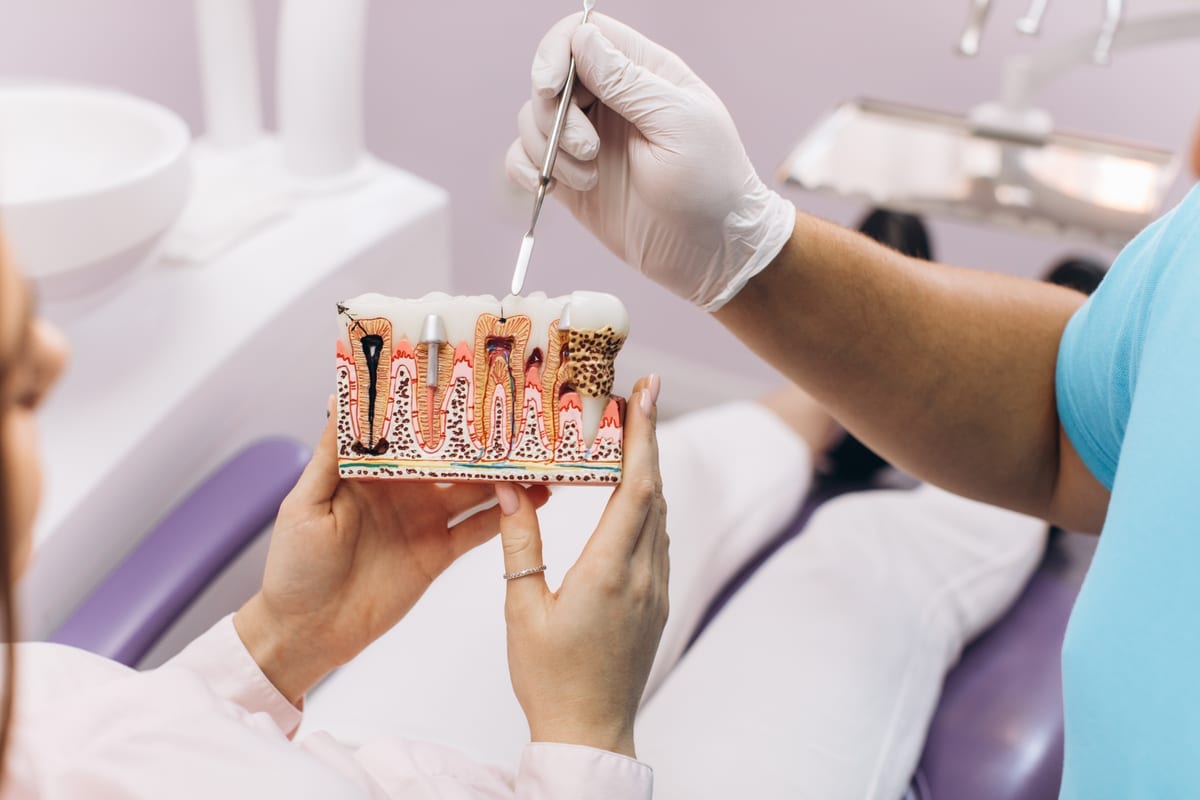
A dental crown is a cap that covers a damaged or weakened tooth. It restores the tooth’s shape, size, and function. The material your dentist uses affects how the crown looks, how long it lasts, and how it performs under pressure.
Not every crown fits every situation. A back molar takes tremendous chewing force. A front tooth sits front and center in your smile. Your dentist evaluates both the location of the tooth and your bite before recommending a material.
Here in Kyle, patients come in with a wide range of needs. Some want a completely natural-looking smile. Others need maximum durability. Understanding each material helps you ask better questions at your appointment.
Porcelain Crowns: The Natural-Looking Choice in Kyle
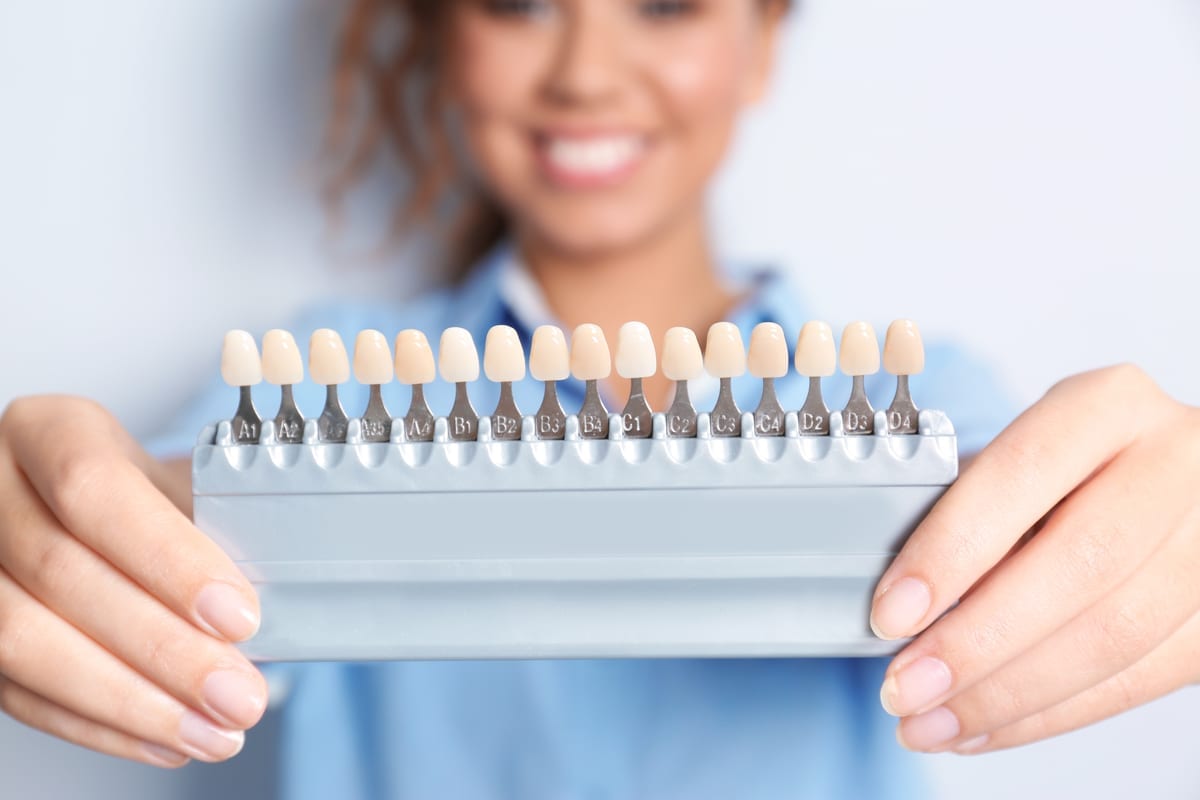
Porcelain crowns match the color, translucency, and texture of natural teeth. They blend in seamlessly, making them a popular choice for front teeth. No one can typically tell the difference between a porcelain crown and a real tooth.
However, porcelain has some limitations. It is more prone to chipping than metal or zirconia. It also wears down opposing teeth slightly faster than other materials. For that reason, dentists use it most often on visible front teeth where appearance is the top priority.
Key advantages of porcelain crowns include:
- Excellent color-matching to surrounding teeth
- Natural translucency that mimics real enamel
- A great choice for front or highly visible teeth
- Biocompatible — no metal means no sensitivity concerns
Porcelain-fused-to-metal (PFM) crowns are a variation that adds a metal base for extra strength. The porcelain facing still provides a natural look. Over time, a thin dark line may appear at the gumline as gums recede.
Zirconia Crowns: Strength and Beauty Combined
Zirconia has become one of the most popular crown materials in modern dentistry. It offers both strength and aesthetics, making it versatile for front and back teeth. Many dentists now consider it the gold standard for dental crowns.
Zirconia is a ceramic material that is incredibly hard. It resists chipping and cracking far better than traditional porcelain. It also withstands the heavy forces of grinding and chewing without wearing down quickly.
Full-contour zirconia crowns are milled from a single solid block. This process creates a very strong, smooth crown. Layered zirconia adds a porcelain outer layer for even better aesthetics, though that layer can chip with time.
Benefits of zirconia crowns include:
- Extremely high strength and fracture resistance
- Natural tooth-like appearance in most cases
- Metal-free, making it a good option for those with sensitivities
- Suitable for both front and back teeth
- Long-lasting with proper care
Zirconia crowns tend to cost more than porcelain or metal. But many patients in Kyle find the durability and appearance well worth the investment.
Metal Crowns: Maximum Durability for Back Teeth
Metal crowns — including gold and other alloys — have been used in dentistry for over a century. They are extremely durable and rarely chip or break. They also require less removal of healthy tooth structure than other materials.
Metal crowns are not tooth-colored, which is their biggest drawback. They are most appropriate for molars at the back of the mouth. In that location, they are rarely visible when you smile or talk.
Gold crowns are particularly gentle on opposing teeth. They wear at a rate similar to natural enamel. For patients who grind their teeth heavily, a metal crown on a back molar can be an excellent long-term solution.
Metal crowns also tend to be one of the more affordable options. If aesthetics are not a concern for a specific tooth, metal may offer the best combination of durability and value.
How Dr. Standley Recommends the Right Crown for You
Dr. Standley does not use a one-size-fits-all approach. He considers several key factors before recommending a crown material. These include the tooth’s location, your bite strength, your aesthetic goals, and the condition of the surrounding teeth.
For front teeth where appearance matters most, he often recommends porcelain or zirconia. For back teeth that bear the most chewing pressure, zirconia or metal may serve you better. Patients with bruxism — tooth grinding — often benefit most from zirconia or metal options.
Crowns sometimes work alongside other restorations. For example, if you are also exploring tooth replacement, you may be considering Implant Dentures In Kyle Buda South Austin as part of a broader treatment plan. In other cases, a crown anchors a Dental Bridges restoration to replace a missing tooth.
Your crown recommendation will always come with a clear explanation. You deserve to understand what goes in your mouth and why. Dr. Standley and the Dentist At Plum Creek Kyle team take time to answer every question before treatment begins.
Comparing Your Crown Options Side by Side
It helps to see the differences laid out clearly. Here is a quick overview of how each material compares across key categories:
- Porcelain: Best aesthetics, moderate strength, ideal for front teeth
- Zirconia: Strong and natural-looking, excellent for front and back teeth
- Metal: Maximum strength, less natural appearance, best for hidden molars
- Cost range: Metal is typically lowest; zirconia is typically highest
- Longevity: All three can last 10–15 years or more with proper care
No material is universally superior. The best crown is the one that fits your specific tooth, lifestyle, and goals. Your dentist is your best guide in that decision.
Getting Your Crown in Kyle, TX
At Dentist At Plum Creek Kyle, we want every patient to feel informed before any procedure. Crown placement typically takes two visits. The first visit involves preparing the tooth and taking impressions. The second visit involves placing the permanent crown.
We use modern techniques and materials to make the process as comfortable as possible. Dr. Standley and our team are here to support you at every step. Whether you need a crown for a cracked tooth, decay, or after a root canal, we help you choose the right option.
Ready to restore your smile with confidence? Book Now to schedule your appointment with our team.
Frequently Asked Questions
Which crown material lasts the longest?
Metal and zirconia crowns tend to last the longest due to their high strength and resistance to fracture. Porcelain crowns can also last many years but are more prone to chipping. With proper oral hygiene and regular dental visits, any crown can last 10 to 15 years or more.
Is a zirconia crown better than porcelain for back teeth?
Yes, zirconia is generally preferred for back teeth because it handles heavy chewing forces better than porcelain. It also resists chipping far more effectively. Porcelain remains a great choice for front teeth where aesthetics are the priority.
Do metal crowns cause any health concerns?
Metal crowns made from gold or high-quality alloys are generally safe and well-tolerated. Some patients prefer metal-free options for sensitivity or personal preference. Dr. Standley will discuss any concerns and help you choose a material that fits your health needs.
How do I know which crown is right for my tooth?
Your dentist evaluates the tooth’s location, the amount of remaining tooth structure, and your bite habits. They also consider your aesthetic goals before making a recommendation. A consultation with Dr. Standley at Dentist At Plum Creek Kyle will give you a clear, personalized answer.
Can a crown fall off, and what should I do?
A crown can occasionally loosen or come off, especially as cement ages over time. If this happens, contact your dentist right away to avoid damaging the underlying tooth. Do not try to re-cement it yourself — schedule an appointment as soon as possible.