$99 New Patient Special - Includes Exam and X-Rays.
Emergency Tooth Pain Care in Kyle, TX
By Dentist At Plum Creek Kyle
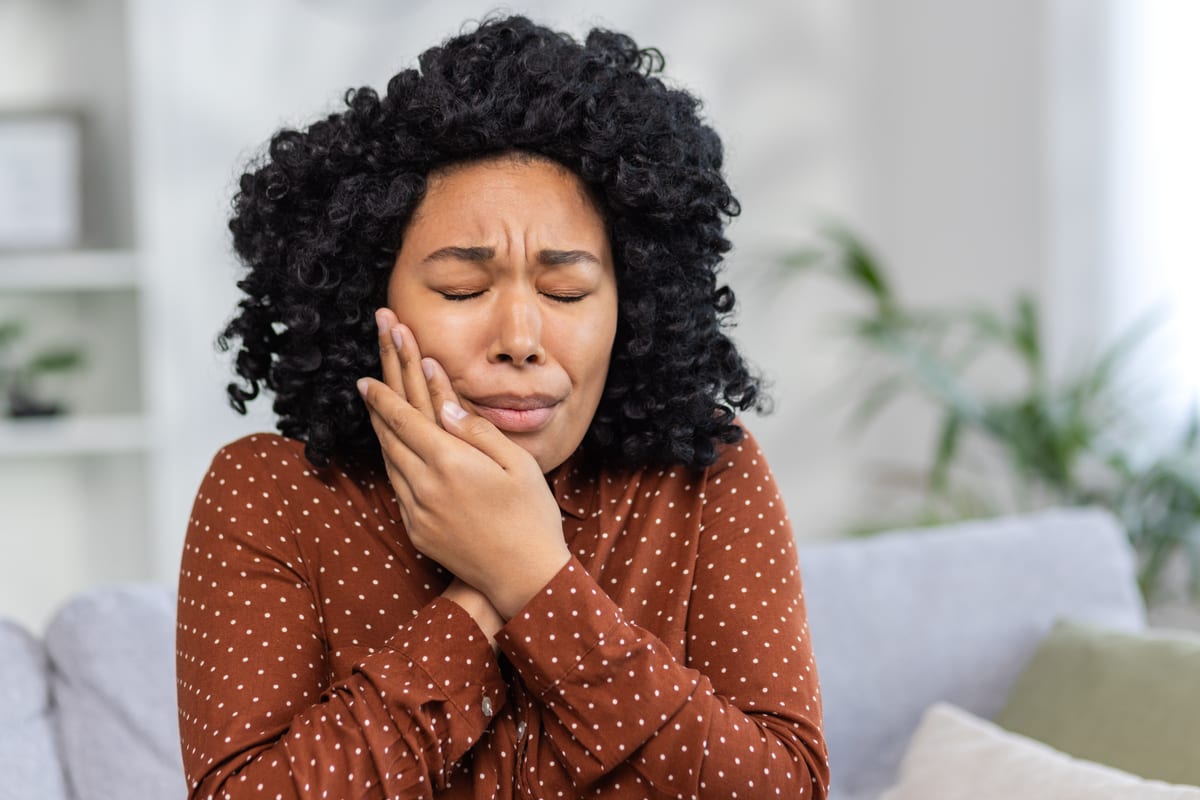
Tooth pain rarely arrives at a convenient time. You might wake up at 2 a.m. with a throbbing jaw or feel a sharp sting while eating lunch. Knowing when tooth pain needs same-day emergency care in Kyle can save your tooth — and spare you serious health complications. Dr. Standley and the team at Dentist At Plum Creek Kyle are here to help you understand the difference.
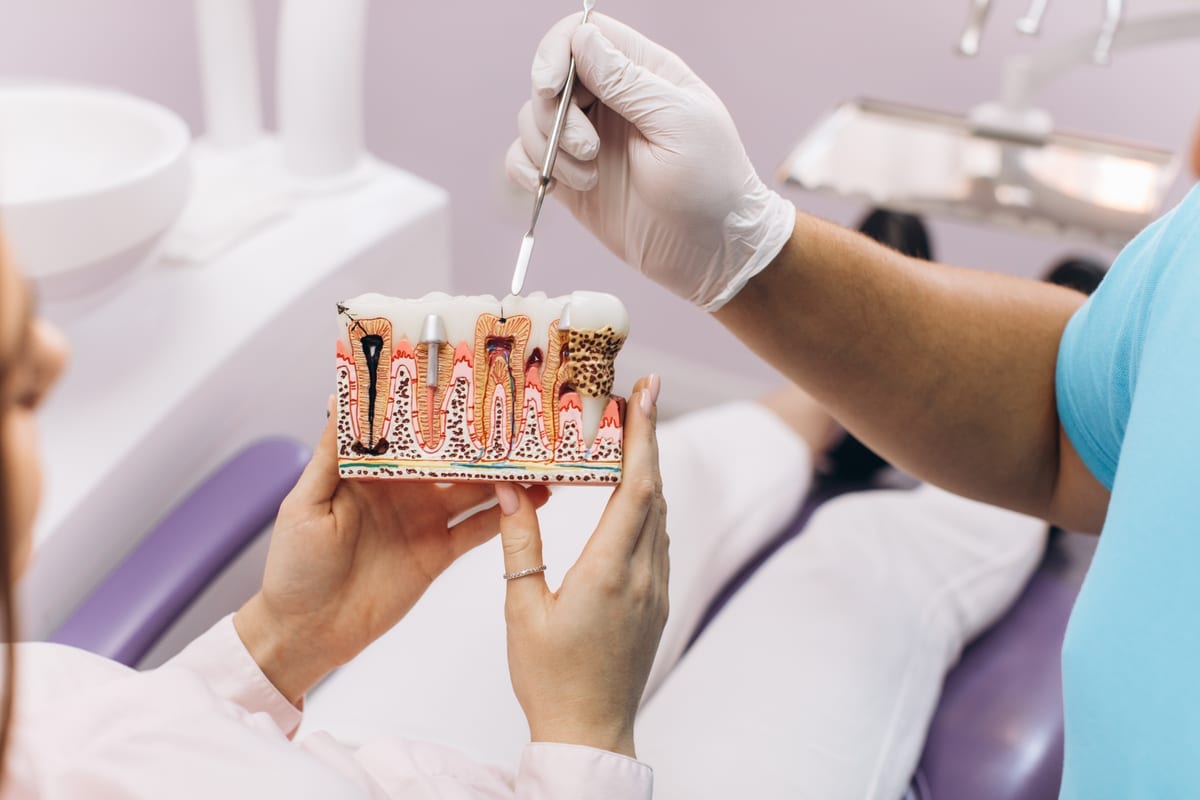
Why Tooth Pain Happens: The Most Common Causes
Tooth pain can stem from many sources. Not every cause is an emergency, but some are urgent. Understanding the root cause helps you make a smarter decision about seeking care.
Here are the most common reasons patients experience tooth pain:
- Tooth decay that has reached the inner pulp
- Cracked or fractured teeth that expose sensitive nerves
- Abscessed teeth caused by a bacterial infection
- Gum disease that has progressed into deeper tissue
- Lost or damaged fillings leaving the tooth exposed
- Impacted wisdom teeth pressing against neighboring teeth
Each of these conditions carries a different level of urgency. Some can wait for a scheduled appointment. Others demand same-day attention to protect your health.
Signs Your Tooth Pain Is a True Dental Emergency in Kyle
Certain symptoms signal a genuine emergency. Ignoring them can lead to spreading infection, tooth loss, or even systemic illness. Do not wait if you experience any of the following.
Seek same-day emergency care immediately when you notice:
- Severe, unrelenting pain that does not respond to over-the-counter pain relievers
- Visible swelling in your jaw, cheek, or neck
- A pimple-like bump on your gum that may be draining pus
- Fever paired with dental pain — a sign of spreading infection
- A knocked-out or partially dislodged tooth
- Heavy, uncontrolled bleeding in your mouth
- Difficulty swallowing or breathing alongside jaw pain
These symptoms indicate that the problem has moved beyond surface-level discomfort. An abscessed tooth, for example, can spread bacteria into your bloodstream. That makes rapid treatment critical, not optional.
Tooth Pain That Can Usually Wait — But Still Needs Attention
Not every ache is an emergency. Some types of tooth pain are uncomfortable but manageable for a day or two. However,
Frequently Asked Questions
What should I do if I have severe tooth pain at night?
If you’re experiencing severe tooth pain after hours, rinse your mouth with warm salt water and take over-the-counter pain relievers as directed. Apply a cold compress to the outside of your cheek for 15 minutes to help numb the area, and contact an emergency dentist in Kyle as soon as possible for professional evaluation and treatment.
How quickly can an emergency dentist see me?
Most emergency dental practices in Kyle prioritize acute pain cases and can typically see patients the same day or within a few hours of your call. The sooner you contact the office and describe your symptoms, the faster they can fit you into their schedule to address your dental emergency.
What causes sudden tooth pain?
Sudden tooth pain can result from a variety of issues including deep cavities, cracked teeth, abscessed teeth, gum infections, or trauma to the tooth. A thorough examination by an emergency dentist is necessary to identify the exact cause and recommend the appropriate treatment to relieve your pain.
Is a knocked-out tooth considered a dental emergency?
Yes, a knocked-out tooth is absolutely a dental emergency that requires immediate attention. If your tooth is knocked out, try to find it, rinse it gently without scrubbing, and place it in a container of milk or saline solution while you rush to an emergency dental office in Kyle for the best chance of saving the tooth.
Can emergency dentistry prevent complications from getting worse?
Absolutely—seeking immediate emergency dental care can prevent minor issues from developing into serious infections or more extensive dental problems. Quick intervention often means simpler, less costly treatment and a better overall outcome for your oral health.