$99 New Patient Special - Includes Exam and X-Rays.


Guided vs Non-Guided Implant Surgery: How to Choose

By Dentist At Plum Creek Kyle
Dental implants have revolutionized the world of restorative dentistry, providing patients with a long-lasting and natural solution to missing teeth. However, with all the advancements in implant procedures, one question that often arises is: which surgical approach is right for me?
Choosing between guided and non-guided implant surgery can be overwhelming for many patients. It’s essential to understand the differences between these two techniques and how they can impact your implant procedure.
In this blog, we’ll break down guided vs non-guided implant surgery, explaining how each method works, the benefits, and who they’re best suited for. By the end of this post, you’ll have a clearer idea of which approach is best for your unique dental needs, making it easier to choose the right option with the help of a qualified specialist.
What is Guided Implant Surgery?
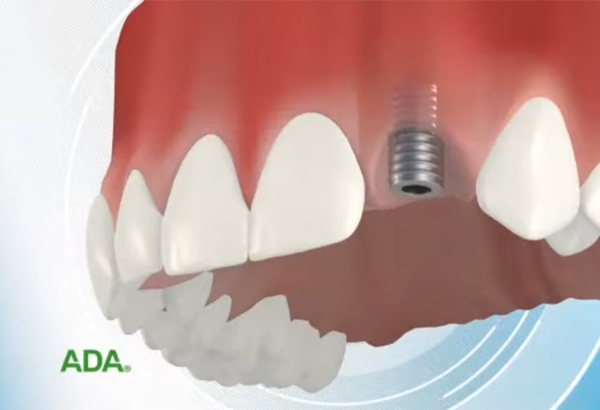
Guided implant surgery is a modern approach that uses advanced technology to plan and execute dental implant placement. The procedure involves creating a detailed, 3D map of your mouth using imaging technologies, such as CT scans or 3D x-rays. These images are used to produce a custom surgical guide, which ensures that the implant is placed with pinpoint precision.
Benefits of Guided Implant Surgery:
- Increased Precision: The use of a digital surgical guide ensures that the implant is placed in the optimal position with high accuracy. This minimizes the risk of complications and improves the long-term success of the implant.
- Reduced Surgery Time: Guided surgery can reduce the time spent in the operating room. The pre-planned nature of the procedure allows the dentist to work more efficiently, which can contribute to a quicker recovery.
- Better Outcomes for Complex Cases: Patients with limited bone volume, unusual anatomy, or previous dental work can benefit from guided surgery. The technology helps the dentist navigate these challenges with greater ease, ensuring better results.
Who is Guided Implant Surgery For?
Guided implant surgery is ideal for patients who have complex cases, such as:
- Limited bone structure or narrow jaws make traditional surgery more difficult
- Multiple implants to be placed at once
- Anxiety or fear about the procedure, as the precision and shorter time required make it less stressful
- Patients with existing health conditions that may complicate the placement of implants
For patients in Kyle, TX, guided implant surgery can provide a more predictable outcome and faster recovery, making it a preferred choice for complex implant cases.
What is Non-Guided Implant Surgery?
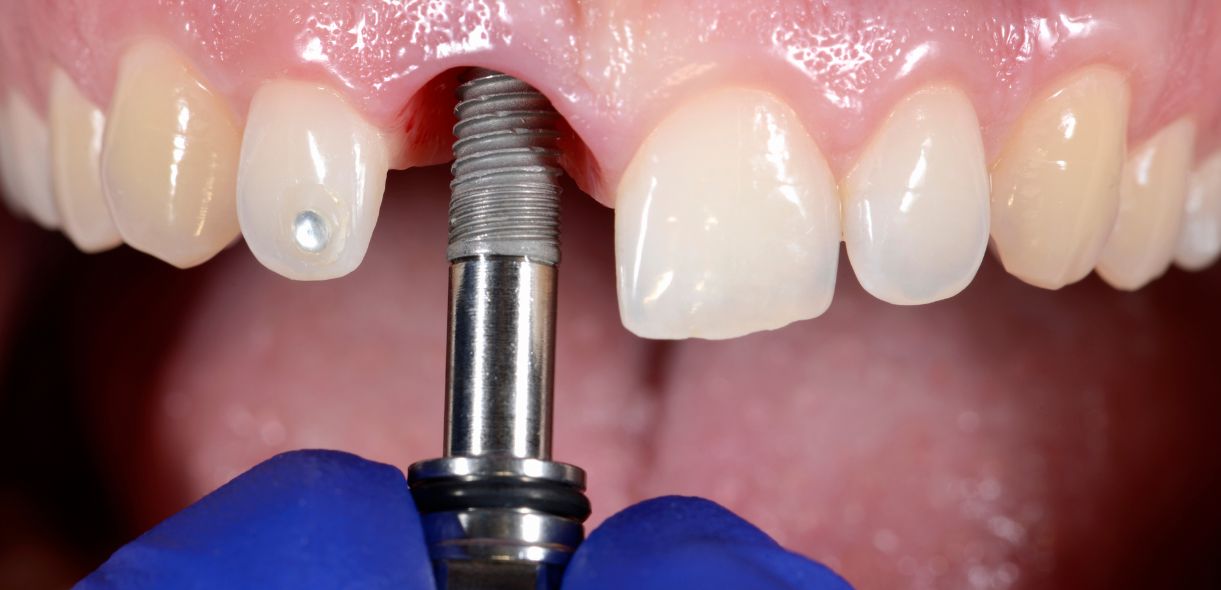
Non-guided implant surgery is the traditional method of placing dental implants in Kyle, TX, relying on the dentist’s expertise and skill rather than advanced technology. In this procedure, the dentist places the implant by visually assessing the mouth and using their hands and experience to ensure accurate placement.
Benefits of Non-Guided Implant Surgery:
- Flexibility: Non-guided surgery offers flexibility, as the dentist can adapt the procedure during the surgery based on what they see in real-time. This is ideal for simpler cases where precision is less of a concern.
- Cost-Effectiveness: Non-guided implant surgery typically costs less than guided surgery due to the absence of expensive technology and imaging.
- Suitable for Straightforward Cases: For patients with adequate bone density and no complicating factors, non-guided surgery can be just as effective as guided surgery.
Who is Non-Guided Implant Surgery For?
Non-guided implant surgery is best suited for patients who have:
- Healthy bone structure with no significant issues
- No previous dental complications or other health concerns that complicate surgery
- Simple implant cases that don’t require the advanced technology used in guided surgery
In Kyle, where many patients have healthy dental structures, non-guided implant surgery is a safe, effective, and more affordable option. It provides a straightforward solution for many who are looking for a reliable tooth replacement option.
Key Differences Between Guided and Non-Guided Implant Surgery
Precision and Accuracy:
One of the most significant advantages of guided implant surgery is its precision. Guided surgery uses 3D imaging and custom surgical guides to place the implant in the ideal position with a high level of accuracy.
This reduces the risk of errors, ensuring the implant fits perfectly and aligns with the surrounding teeth. This is especially important for complex cases, such as when there’s limited bone or irregular anatomy.
In contrast, non-guided implant surgery relies on the surgeon’s skill and experience. While professional surgeons can still place dental implants in Kyle, TX, accurately, there’s more room for slight variations due to the lack of technological assistance. Non-guided surgery may be perfectly effective for patients with healthy bone structure and simple cases, but precision may vary depending on the surgeon’s experience and technique.
Surgical Time and Recovery:
Guided implant surgery generally takes less time than non-guided surgery. The detailed planning and preparation before the procedure allow the surgeon to work more efficiently during the surgery, making the process quicker. This can result in shorter surgical times, reducing stress and potential complications for the patient. Recovery tends to be quicker as well, thanks to the minimally invasive nature of the procedure.
On the other hand, non-guided implant surgery may take longer due to its more hands-on approach. The surgeon may need to make additional adjustments during the procedure, especially in more complex cases. As a result, recovery could take longer, and patients may need more time to heal before resuming normal activities. While recovery time for non-guided procedures varies, it can sometimes be more involved.
Cost Considerations:
When it comes to cost, guided implant surgery is typically more expensive due to the advanced technology and tools required for the procedure. The need for 3D imaging, customized guides, and specialized software adds to the overall cost. However, for patients with complex dental issues, the added expense may be worthwhile to ensure a precise and efficient surgery.
Non-guided implant surgery, in contrast, tends to be more affordable. The absence of expensive imaging and specialized equipment means lower overall costs. For patients who have a simple implant case and no underlying complications, non-guided surgery can provide an effective solution at a lower price point.
Technology vs. Experience:
Guided implant surgery heavily relies on technology. The procedure involves advanced imaging techniques and a digital planning phase that eliminates much of the guesswork from the process. The precision of the procedure is largely determined by the technology, and the surgeon must follow the pre-determined plan set by the digital guides.
With non-guided implant surgery, the reliance shifts to the surgeon’s experience. Professional surgeons use their knowledge and intuition to place the implant based on visual assessment and tactile feedback during the procedure.
While this approach offers flexibility, it depends heavily on the surgeon’s expertise, especially in more challenging cases. The experience and judgment of the dentist play a critical role in determining the success of non-guided surgery.
Both approaches have their strengths, and the right choice will depend on the patient’s specific needs, budget, and the complexity of the case.
Factors to Consider When Choosing Between Guided and Non-Guided Implant Surgery
Case Complexity:
The complexity of your dental case should play a significant role in deciding between guided and non-guided surgery. If you have sufficient bone structure, no health issues, and your implant procedure is straightforward, non-guided surgery may be sufficient. However, if you have a limited bone supply, irregular bone shape, or other complications, guided surgery is often a better option.
Budget and Accessibility:
Cost is another important factor. Guided surgery may be a more expensive option due to the specialized equipment and imaging involved. If you’re on a budget or are seeking a more affordable option, non-guided implant surgery might be the right choice. However, it’s important to weigh the cost against the potential benefits of more precise results with guided surgery.
Consultation and Expertise:
The most important step in choosing between the two options is to consult with a qualified dental implant specialist, such as Dentist At Plum Creek Kyle. They can evaluate your unique needs and recommend the best course of action. Regardless of the method you choose, it’s essential to have a qualified professional guide the process to ensure the best outcome for your oral health.
In conclusion, choosing between guided and non-guided implant surgery largely depends on your individual needs, budget, and the complexity of your dental case. While guided surgery offers higher precision and faster recovery, non-guided surgery can be more affordable and flexible for simpler cases.
If you’re considering dental implants, schedule a consultation with Dentist At Plum Creek Kyle today. Our team of professionals will help you explore your options and ensure that you make the best decision for your dental health and long-term smile. Don’t wait any longer. Let’s get started on your journey to a better smile!
People Also Ask
Can non-guided implant surgery be as effective as guided?
Yes, non-guided implant surgery can be effective for patients with healthy bone structure and straightforward cases. Success depends on the dentist’s skill and experience.
How long does guided implant surgery take?
Guided implant surgery typically takes less time than non-guided surgery due to the detailed planning and use of pre-surgical guides, leading to a more efficient procedure.
Does guided implant surgery require more recovery time?
No, guided implant surgery generally has a quicker recovery time due to its minimally invasive nature and precise planning, leading to less disruption during the procedure.
Is non-guided implant surgery more suitable for simple cases?
Yes, non-guided implant surgery is ideal for patients with adequate bone structure and no complicating factors, making it a great option for straightforward cases.