$99 New Patient Special - Includes Exam and X-Rays.
Holiday Oral Health Tips for Strong Teeth and Healthy Gums

By Dentist At Plum Creek Kyle
The holidays bring a welcome change of pace. Between family gatherings, school breaks, travel plans, and packed calendars, routines often look very different than usual. Meals become richer, snacks appear more often, and bedtime schedules shift. While these moments are part of the fun, they can quietly affect teeth and gum health when daily habits slip.
Seasonal treats, festive drinks, and long days out mean teeth are exposed to sugar and acids more frequently. Add missed brushing sessions or rushed mornings, and plaque can build faster than expected. Gums may also become more sensitive when stress and fatigue increase.
This guide is designed to fit real holiday life in and around Plum Creek. You will find simple, practical tips that help protect your smile without taking away from celebrations. The goal is balance, enjoying the season while keeping oral health steady and stress-free.
How Holiday Foods and Drinks Impact Teeth and Gums
Holiday menus often include more sugar, starch, and acidic beverages than usual. Desserts, baked goods, sauces, and breads break down into sugars that feed bacteria in the mouth. These bacteria release acids that weaken enamel and irritate gum tissue.
Sticky and slow-dissolving treats can be especially challenging. Candies, dried fruits, and chewy desserts cling to teeth longer, giving acids more time to work. Even frequent snacking on savory foods can have an effect when residue stays on teeth.
Alcohol also plays a role during the holidays. Seasonal cocktails and wine can dry out the mouth, reducing saliva. Saliva helps wash away food particles and neutralize acids, so a dry mouth increases sensitivity and risk.
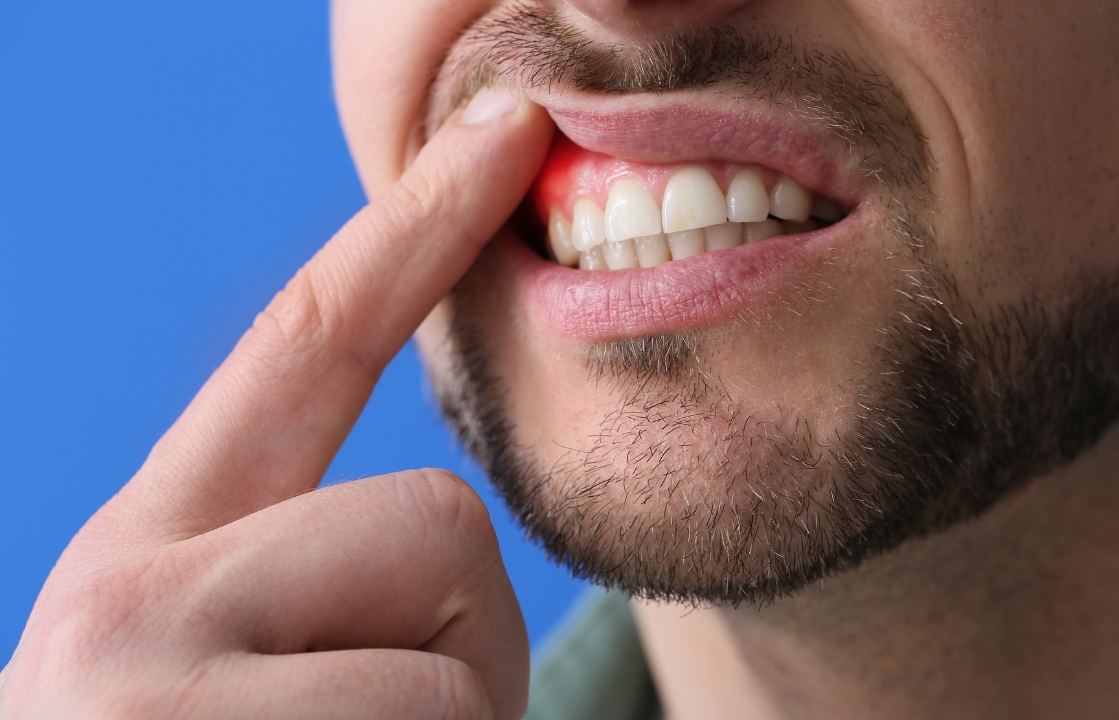
Many people notice their gums feel tender or bleed more easily this time of year. This often results from dietary changes, dehydration, and inconsistent oral care rather than a single cause.
Smart Eating Choices That Support Oral Health
Protecting your smile does not mean avoiding holiday foods. Small, mindful choices can significantly reduce risk. At gatherings, tooth-friendly snacks like cheese, nuts, vegetables, and yogurt help neutralize acids and support saliva flow.
Timing sweets matters more than people realize. Enjoying desserts with meals is better than grazing throughout the day. Saliva production increases during meals, helping rinse away sugars more efficiently.
Certain foods naturally support oral health. Crunchy fruits and vegetables stimulate saliva, while dairy products provide minerals that help strengthen enamel. Drinking water between festive beverages helps dilute acids and keeps tissues hydrated.
Simple swaps also help. Choosing dark chocolate instead of sticky candy, sipping water after a sweet treat, or ending a meal with fresh fruit can reduce sugar exposure without sacrificing enjoyment.
Staying Consistent With Daily Oral Care While Busy
Holiday schedules make skipped routines common. Late nights, early mornings, and travel can push brushing and cleaning between teeth lower on the list. Unfortunately, plaque does not take a holiday.
Consistency matters more than perfection. Brushing twice a day and cleaning between teeth once daily remains the foundation, even if timing changes. Brushing earlier before going out or as soon as you return home still counts.
Travel days and social events may require flexibility. Keeping a toothbrush visible, setting reminders, or pairing oral care with another habit can help maintain consistency. Even a shorter routine is better than skipping entirely.
Maintaining basic care throughout the season reduces the chance of discomfort and helps prevent issues that may require a visit to a dentist in Kyle when schedules are already full.
Protecting Your Teeth During Travel and Holiday Events
Travel often disrupts normal routines, but preparation makes a difference. A small oral care kit with a toothbrush, toothpaste, and floss fits easily into a bag or carry-on.
Long trips, flights, and extended car rides can dry out the mouth. Drinking water regularly and limiting sugary snacks helps protect enamel. On flights, brushing before boarding and rinsing with water afterward reduces bacteria buildup.
For road trips around Central Texas, planning short breaks for hydration and oral care helps keep habits intact. Overnight stays are easier when oral care items are placed where they are visible.
If a routine is missed, avoid aggressive brushing later. Simply resume normal care at the next opportunity to protect gums from irritation.
Managing Stress and Its Effect on Oral Health
Holiday stress often shows up physically, including in the mouth. Tight schedules, family obligations, and end-of-year pressures can increase jaw tension without being obvious.
Clenching or grinding teeth becomes more common during stressful periods, especially at night. This can strain jaw muscles, wear enamel, and cause sensitivity. Stress can also affect the body’s inflammatory response, making gums more prone to irritation.
Simple habits can help reduce oral strain. Prioritizing sleep, limiting caffeine later in the day, and practicing jaw relaxation during quiet moments all help. Even brief breaks for deep breathing can reduce tension carried in the jaw.
Recognizing stress-related habits early allows you to protect teeth and gums before discomfort develops.
Why Holiday Dental Checkups Still Matter
It is tempting to postpone dental visits during the holidays, but preventive care remains valuable. Cleanings before or after the season help remove plaque that daily care may miss during busy weeks.
Small concerns often develop quietly. Early signs of gum irritation, enamel wear, or sensitivity can be addressed before they become urgent. This is especially helpful when juggling work, school schedules, and community events around Plum Creek.
Professional care supports long-term gum health and provides guidance tailored to seasonal habits. Scheduling a visit with a dentist in Kyle during this time can help reset routines and start the new year confidently.
Common Holiday Oral Health Mistakes to Avoid
Frequent sipping on sugary or acidic drinks is one of the most common seasonal habits. Each sip restarts acid exposure, weakening enamel over time. Water between drinks helps reduce this effect.
Using teeth as tools is another risk during celebrations. Opening packaging, cracking nuts, or tearing wrappers with teeth can lead to chips or fractures.
Ignoring early warning signs can also cause problems. Bleeding gums, lingering sensitivity, or jaw soreness should not be dismissed as seasonal discomfort. Addressing concerns early helps avoid interruptions to holiday plans.
Simple Habits That Help Teeth Recover After the Holidays
Once the season ends, resetting routines is key. Returning to consistent brushing, cleaning between teeth, and hydration allows gums to calm and enamel to recover.
Supporting healing means being gentle. Avoid harsh brushing and give tissues time to respond to improved habits. Drinking water and eating balanced meals help restore a healthy oral environment.
Preparing for the new year with stronger habits sets a positive tone. Replacing worn toothbrushes, scheduling preventive care, and staying mindful of daily choices support long-term oral health.
The holidays are meant to be enjoyed. Protecting your teeth and gums does not require giving up traditions or favorite foods. Balance, awareness, and small habits make the difference.
Simple choices, such as hydrating, timing sweets, staying consistent with care, and managing stress, work together to protect your smile. These habits fit easily into busy schedules and support long-term health.
Whether you are celebrating locally or traveling, prioritizing oral health helps you enjoy the season fully. When the time is right, booking an appointment with us ensures your smile stays strong well beyond the holidays.
Popular Dental Questions from Kyle Residents
How can oral health goals carry into the new year?
Resetting routines, scheduling preventive care, and staying mindful of daily habits support long-term oral health.
When should someone seek professional advice?
If symptoms persist beyond a few days or worsen, it is wise to consult a dentist rather than waiting.
Is mouth dryness a serious concern?
Dry mouth increases cavity risk by reducing saliva. Staying hydrated and limiting alcohol helps prevent this.
Should toothbrushes be replaced after the holidays?
Yes. Worn bristles clean less effectively and should be replaced every three months or after illness.
How long does it take teeth to recover after the holidays?
With consistent care, gums often improve within weeks. Enamel benefits gradually from better habits and hydration.