$99 New Patient Special - Includes Exam and X-Rays.
Why Dental Hygiene and Regular Checkups Matter


By Dentist At Plum Creek Kyle
Most people think brushing twice a day is enough to keep their teeth healthy. While brushing is important, it is only one part of the picture. Oral health is shaped by daily habits at home and routine dental visits working together. One supports the other. When either is missing, problems can quietly develop over time.
Dental issues often do not cause pain in the early stages. Cavities, gum inflammation, and enamel wear can progress without obvious symptoms. That is why relying on brushing alone can create a false sense of security. What feels fine today may turn into a bigger issue later.
This blog explains how dental hygiene and regular checkups support long-term oral health. You will learn what proper hygiene really involves, why professional care matters even when nothing hurts, and how consistency helps protect your smile for years. Understanding this connection helps families make informed choices about preventive care and daily routines.
Dental Hygiene Is More Than Brushing and Flossing
Dental hygiene goes beyond brushing your teeth and using floss. Proper oral care includes removing plaque daily, protecting tooth enamel, and keeping gums healthy. Plaque is a sticky film of bacteria that forms constantly. If it is not removed, it hardens into tartar, which cannot be cleaned at home.
Good hygiene habits include brushing with proper technique, cleaning between teeth, and using products that support enamel strength. These steps help limit bacteria that cause cavities and gum irritation. When plaque stays under control, the risk of decay and gum disease stays lower.
However, home care has limits. Toothbrushes cannot fully clean below the gumline or remove hardened tartar. Some areas of the mouth are difficult to reach, even with careful brushing. This is where professional care becomes essential.
A trusted family dentist in Kyle helps bridge the gap between daily hygiene and long-term prevention. Professional cleanings and exams support what you do at home, ensuring plaque buildup does not quietly cause damage over time.
What Happens When Dental Hygiene Is Inconsistent
When dental hygiene slips, plaque builds up quickly. Over time, bacteria produce acids that weaken enamel and irritate gums. This process leads to cavities, gum inflammation, and eventually gum disease if left untreated.
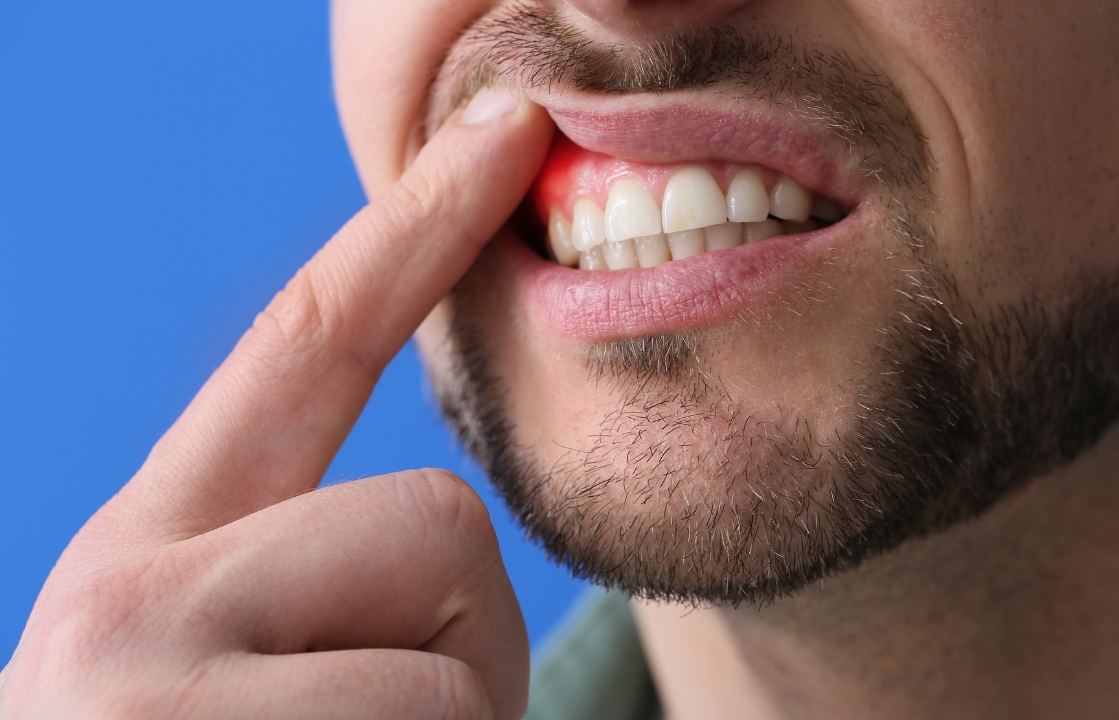
Early warning signs often go unnoticed. Mild bleeding during brushing, occasional bad breath, or slight sensitivity may seem harmless. Many people ignore these signals because there is no pain. Unfortunately, these small changes often indicate that plaque is already affecting oral health.
Without intervention, the long-term impact can be significant. Cavities grow deeper, gums begin to pull away from teeth, and bone support may weaken. These changes can affect chewing comfort, tooth stability, and overall oral function.
Inconsistent care also increases the likelihood of more complex treatments later. What could have been managed early may require fillings, deep cleanings, or restorative procedures. Staying consistent helps prevent these outcomes and preserves natural teeth longer.
The Role of Regular Dental Checkups in Prevention
Dental checkups are preventive, not reactive. Many dental problems begin silently, without discomfort. Professional exams allow dentists to detect early changes before they turn into painful or visible issues.
During routine visits, dentists evaluate teeth, gums, bite alignment, and oral tissues. X-rays may be used to see areas that are not visible during an exam. This allows early detection of decay, gum disease, or structural concerns.
Preventive visits differ greatly from problem-driven appointments. When care is delayed until pain appears, treatment is often more involved. Preventive checkups focus on maintaining health rather than repairing damage.
Regular visits also allow patients to ask questions and receive guidance tailored to their needs. For families in Plum Creek and nearby Kyle neighborhoods, staying connected with a family dentist supports proactive care for every stage of life.
What a Routine Dental Checkup Typically Includes
A routine dental checkup involves several important steps designed to protect oral health. The visit usually begins with a comprehensive oral examination. Teeth are checked for decay, wear, and structural changes. Gums are evaluated for inflammation, bleeding, or early signs of disease.
Professional cleaning follows the exam. Dental tools remove plaque and tartar from areas that brushing cannot reach. Polishing helps smooth tooth surfaces, making it harder for plaque to stick between visits.
Screenings for early concerns are also part of routine care. This may include checking existing dental work, examining soft tissues, and identifying early bite issues. These screenings help catch problems while they are still manageable.
Patient education is another key component. Dentists and hygienists offer guidance on brushing techniques, oral care habits, and preventive steps tailored to individual needs. These conversations help patients maintain better hygiene at home between visits.
How Dental Hygiene and Checkups Work Together
Dental hygiene and checkups are most effective when they support each other. Daily brushing and flossing reduce plaque buildup, while professional cleanings remove what home care misses. This partnership keeps bacteria levels under control.
Routine visits also reinforce healthy habits. When patients receive feedback during checkups, they become more aware of areas that need extra attention. This guidance improves daily routines and encourages consistency.
The result is a preventive cycle. Good hygiene supports cleaner checkups. Clean checkups make daily care easier and more effective. Over time, this cycle reduces the risk of cavities, gum disease, and tooth loss.
For families balancing busy schedules, this approach helps maintain oral health without unexpected interruptions. Working with a reliable family dentist in Kyle ensures that both home care and professional care stay aligned for long-term protection.
Benefits of Staying Consistent With Dental Care
Consistency is one of the most powerful tools in oral health. When dental hygiene and routine checkups remain regular, fewer problems develop over time. Small issues are addressed early, before they become complicated.
Healthy gums and strong teeth are easier to maintain with consistent care. Reduced inflammation leads to better comfort and less sensitivity. Clean teeth also contribute to fresher breath and improved confidence in social settings.
Consistency also protects against future disruptions. Preventive care lowers the chance of sudden dental emergencies or extensive procedures. This helps families avoid unexpected stress and maintain steady routines.
Over the years, staying consistent supports overall well-being. Oral health plays a role in general health, nutrition, and daily comfort. Preventive care helps preserve natural teeth and supports long-term quality of life.
How Often Should Dental Checkups Be Scheduled
Most people benefit from dental checkups every six months. This schedule allows professionals to monitor changes and maintain oral health effectively. Regular visits help prevent plaque buildup from progressing into larger concerns.
Some individuals may need more frequent visits. Factors such as gum health, past dental history, orthodontic treatment, or certain medical conditions can increase risk. Personalized recommendations ensure care matches individual needs.
Children, adults, and seniors all benefit from tailored schedules. Life stages affect oral health differently, making ongoing evaluation important. Regular communication with a family dentist helps ensure the right frequency for each patient.
Sticking to a recommended schedule supports prevention, comfort, and peace of mind. It also makes dental care more predictable and manageable over time.
Dental hygiene and regular checkups are most effective when practiced together. Daily habits protect teeth between visits, while professional care catches issues early and keeps oral health on track. Neither works as well alone.
Prevention reduces discomfort, preserves natural teeth, and minimizes the need for complex treatments. Early detection allows problems to be addressed before they affect daily life. Consistency builds long-term confidence in oral health.
For families in the Plum Creek area, maintaining this balance supports healthy smiles at every age. If it has been a while since your last visit, scheduling a routine checkup is a simple step toward lasting oral health. A preventive approach today helps protect your smile for years to come.
FAQs
How can routine dental care support confidence?
Healthy teeth and gums improve comfort, appearance, and peace of mind, helping people feel more confident in daily interactions.
What happens if gum disease goes untreated?
Untreated gum disease can lead to gum recession, bone loss, and tooth instability, affecting both comfort and oral function.
How do checkups reinforce healthy habits at home?
Dentists provide feedback and adjustments that help patients improve brushing and flossing effectiveness between visits.
Can dental hygiene habits change based on individual needs?
Yes. Dentists often tailor recommendations based on enamel strength, gum health, and personal risk factors.
Do professional cleanings damage enamel?
No. Cleanings are designed to remove harmful buildup while preserving enamel and supporting gum health.