$99 New Patient Special - Includes Exam and X-Rays.


Why Your Toothbrush Can’t Beat Hardened Tartar Buildup
By Dentist At Plum Creek Kyle
Most Kyle residents brush their teeth every single day. Yet many still develop gum disease, cavities, and persistent bad breath. The reason why your toothbrush can’t beat hardened tartar buildup in Kyle — or anywhere else — comes down to simple biology and chemistry. Once plaque hardens into tartar, no amount of brushing will remove it. Understanding why this happens helps you take smarter steps to protect your smile.
What Tartar Actually Is — And Why It Forms So Quickly
Plaque is a soft, sticky film that coats your teeth daily. It forms when bacteria in your mouth mix with food particles and saliva. Brushing and flossing remove plaque effectively — but only when done consistently and thoroughly.
The problem starts when plaque sits on your teeth for 24 to 72 hours. During that window, minerals in your saliva bind to the plaque. The plaque hardens into a substance called tartar, also known as calculus.
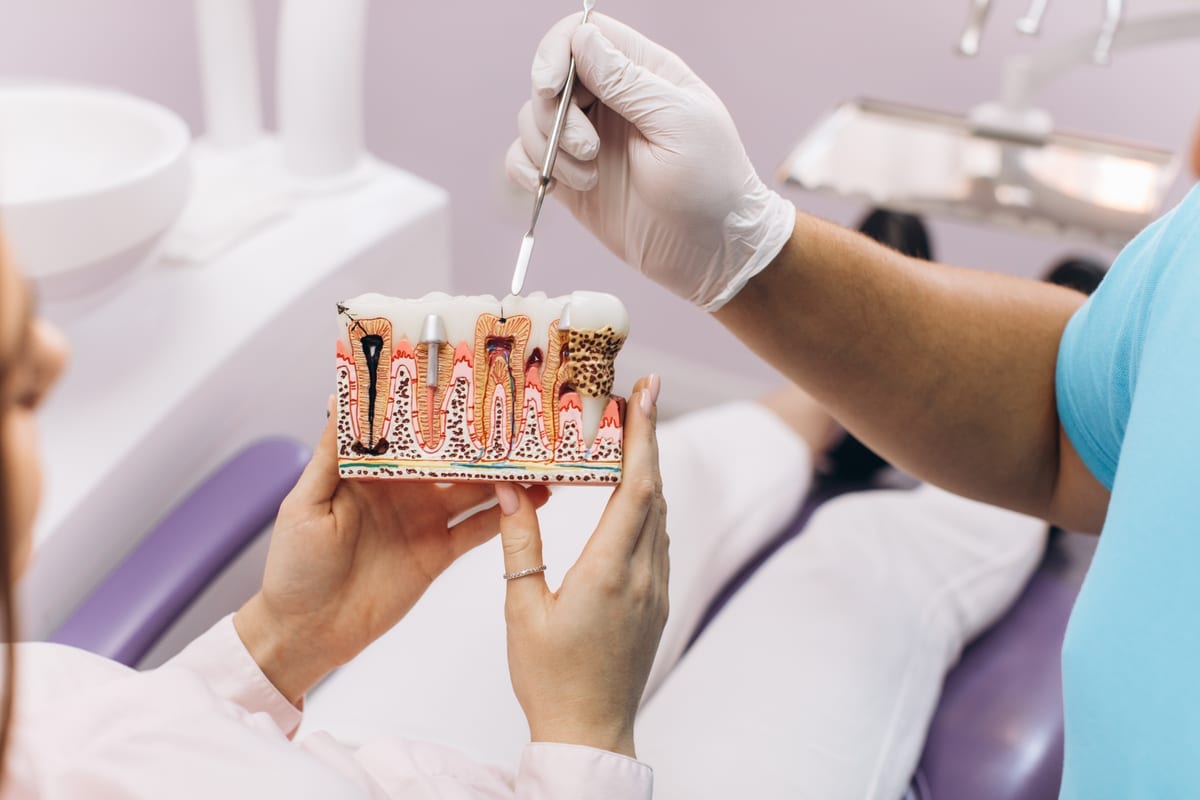
Tartar bonds directly to tooth enamel. It has a rough, porous surface that attracts even more bacteria. Once hardened, it cannot be scraped away with a toothbrush, no matter how expensive or advanced the brush is.
- Tartar forms above the gumline, where it is visible as a yellowish or brown buildup
- Tartar also forms below the gumline, where it is hidden and especially damaging
- Subgingival tartar (below the gumline) is harder to detect without professional tools
- Even perfect brushers develop some tartar over time
Why Your Toothbrush Simply Cannot Remove Hardened Tartar in Kyle
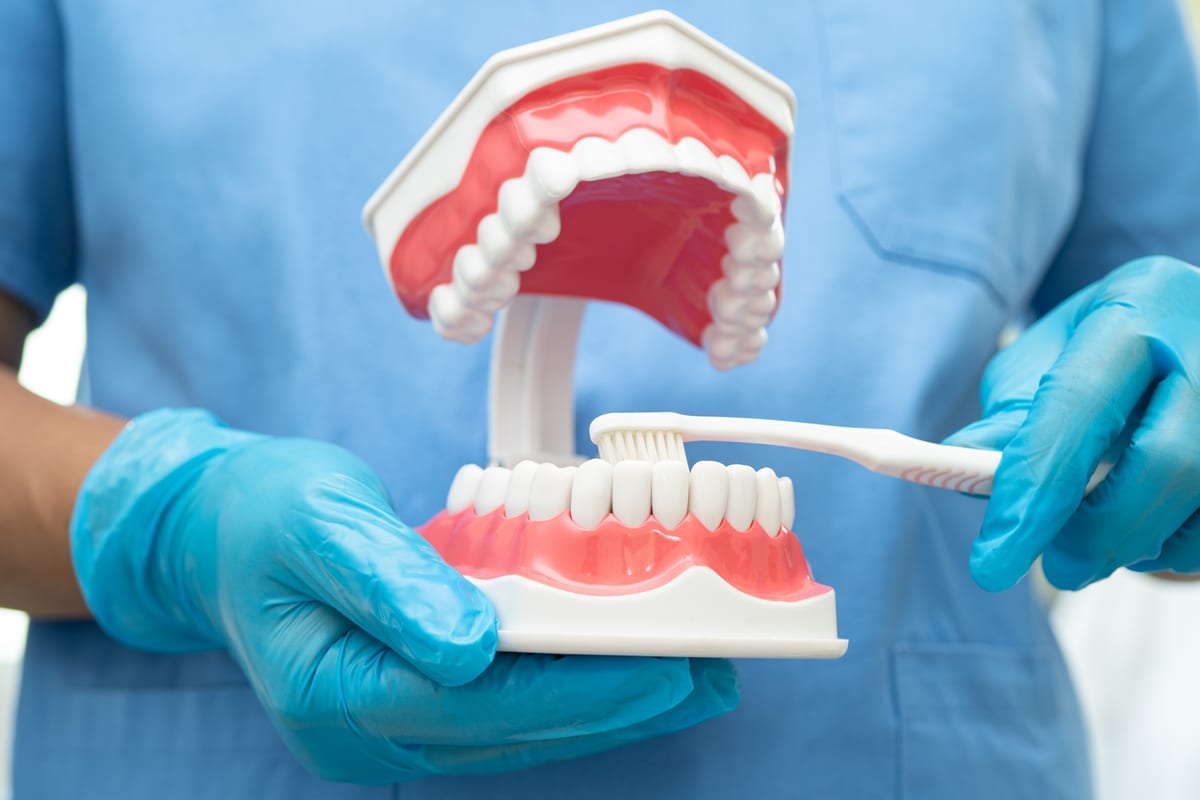
A toothbrush — manual or electric — works by physically scrubbing soft debris from tooth surfaces. That works well against fresh plaque. However, tartar is a mineralised deposit. Its hardness is comparable to stone.
No brush bristle can break apart that mineralised bond. Whitening toothpastes and tartar-control formulas slow tartar formation slightly. They do not dissolve or remove tartar that has already formed.
This is exactly why why your toothbrush can’t beat hardened tartar buildup in Kyle even when you brush twice daily. The issue is not effort — it is the physical limitation of a soft-bristle tool against a hardened mineral deposit.
Many patients in Kyle are surprised to learn they have significant tartar even though they brush consistently. This is completely normal and not a sign of failure. It simply means professional care is a necessary part of oral health — not optional.
What a Professional Cleaning Actually Removes That Home Care Cannot
At Dentist At Plum Creek Kyle, Dr. Standley and the hygiene team use specialised instruments to remove what your toothbrush leaves behind. The process is called scaling, and it uses tools no consumer product can replicate.
Ultrasonic scalers vibrate at high frequencies to break apart tartar deposits. Hand scalers then carefully remove remaining buildup, including from below the gumline. This reaches areas a toothbrush never touches.
After scaling, the teeth are polished. Polishing removes surface stains and smooths the tooth surface. A smoother surface makes it harder for new plaque to adhere quickly.
- Scaling removes hardened tartar from above and below the gumline
- Polishing reduces surface staining from coffee, tea, and food
- Subgingival cleaning protects against periodontal disease progression
- Fluoride treatment or sealants may be applied to strengthen enamel
- The hygienist identifies early signs of decay or gum inflammation you cannot see at home
This full process protects more than just your teeth. It directly supports your gum tissue and bone health. Tartar left untreated leads to gingivitis, and eventually to deeper periodontal disease requiring more intensive treatment.
The Real Risks of Letting Tartar Go Untreated in Kyle
Tartar is not just a cosmetic issue. It is a direct driver of serious oral health problems. The bacteria trapped in tartar release toxins that irritate and inflame gum tissue. That inflammation is called gingivitis.
Left untreated, gingivitis advances into periodontitis. Periodontitis destroys the bone and tissue that anchor your teeth. Tooth loss becomes a real possibility — sometimes requiring solutions like Implant Dentures In Kyle Buda South Austin Kyle to restore your smile.
Tartar also damages enamel directly. As it builds up around the tooth surface, it creates conditions that accelerate decay. Cavities that start small can progress to the point where a patient needs Dental Crowns Kyle to restore tooth structure.
Early intervention through regular professional cleanings prevents this chain of events. It is far easier — and far less costly — to remove tartar twice a year than to treat the damage it causes over time.
How Often Should Kyle Residents Get a Professional Cleaning?
For most healthy adults, a professional cleaning every six months is the standard recommendation. This schedule prevents tartar from accumulating long enough to cause significant damage.
Some patients in Kyle may need more frequent cleanings. Those with a history of gum disease, heavy tartar buildup, or active periodontal issues often benefit from cleanings every three to four months. Dr. Standley evaluates each patient individually and recommends a schedule that fits their specific oral health needs.
Children should begin professional cleanings as soon as their first teeth appear. Early habits and early cleanings set the foundation for lifelong oral health. The Dentist At Plum Creek Kyle team is experienced in making younger patients feel comfortable and at ease during visits.
What to Expect During Your Cleaning Visit at Dentist At Plum Creek Kyle
Many patients feel nervous about dental cleanings, especially if it has been a while since their last visit. The team at Dentist At Plum Creek Kyle approaches every appointment with patience and clear communication.
Here is what a standard cleaning visit looks like:
- A health history review and discussion of any concerns you have
- A visual examination of your teeth and gums by Dr. Standley or a hygienist
- Scaling to remove tartar from all tooth surfaces, including below the gumline
- Polishing to smooth tooth surfaces and reduce staining
- Flossing between all teeth to remove residual debris
- A personalised review of your home care routine and any areas needing attention
If the exam reveals early decay or gum concerns, Dr. Standley discusses options with you clearly. You leave with a full picture of your oral health and a clear plan for maintaining it.
Conclusion: Professional Cleaning Is the One Step Brushing Cannot Replace
Brushing and flossing are essential habits. But they work best as a system — combined with professional cleanings that remove what home care cannot. Tartar is a fact of life for nearly every adult. Removing it regularly protects your gums, your enamel, and your overall health. Dr. Standley and the team at Dentist At Plum Creek Kyle are here to help Kyle residents stay ahead of tartar buildup with expert, compassionate care. Book Now to schedule your appointment with our team.
Frequently Asked Questions
Can tartar go away on its own without a dental visit?
No. Once plaque hardens into tartar, it cannot dissolve or be removed through brushing, flossing, or any home remedy. Only professional dental instruments can safely and effectively break apart and remove tartar deposits from your teeth and gum line.
How long does it take for plaque to turn into tartar?
Plaque can begin hardening into tartar in as little as 24 to 72 hours. This is why consistent daily brushing and flossing are so important — they remove plaque before it has a chance to mineralise and harden on your teeth.
Is tartar buildup painful?
Tartar itself is not usually painful. However, the gum inflammation and infection it causes can become quite uncomfortable over time. Swollen, bleeding, or sensitive gums are common signs that tartar-driven inflammation has begun, and that a professional cleaning is needed.
What does tartar look like on teeth?
Tartar above the gumline typically appears as a yellowish, brown, or off-white hardened deposit along the edges of the teeth near the gums. Tartar below the gumline is not visible without dental instruments, which is one reason regular professional exams are so important for catching it early.
Does teeth whitening remove tartar?
No. Whitening treatments — both professional and over-the-counter — work by bleaching stains in enamel. They do not dissolve or remove hardened tartar. Tartar must be scaled away by a dental professional before whitening can work effectively on the underlying tooth surface.